Invited state-of-the-art review
Status and challenges after one hundred years with von Willebrand disease
Colourbox
29. apr. 2026
16 min.

The most common inherited bleeding disorder, von Willebrand disease (vWD), has been known for 100 years. Still, it is believed that many patients with mild disease remain undiagnosed. Detection of the condition relies on structured bleeding and family history, as well as laboratory evaluation. The variable presentation of vWD challenges both patients and clinicians, and women are particularly prone to diagnostic delay despite greater exposure to bleeding symptoms. Increasing clinical awareness and earlier identification of undiagnosed individuals should be prioritised.
Von Willebrand disease (vWD) has been known for a century. From its first description in a single family, our understanding has progressed to detailed insights into its biology and pathophysiology. This review focuses on diagnostic approaches, its persistent underdiagnosis and possible strategies to optimise both its clinical recognition and laboratory evaluation.
In 1926, vWD was first described by Erik Adolf von Willebrand, who reported observations of a family residing on the Aaland Islands near Stockholm. His elaborate case report centred on a young girl who died at 14 years of age after a severe menstrual haemorrhage [1, 2]. Early laboratory investigations revealed a markedly prolonged bleeding time with otherwise near-normal coagulation parameters and platelet counts. Because the bleeding phenotype followed an autosomal dominant inheritance pattern and was not confined to males, the condition was initially termed “hereditary pseudohaemophilia”, underscoring its distinction from classical haemophilia A and B [3].
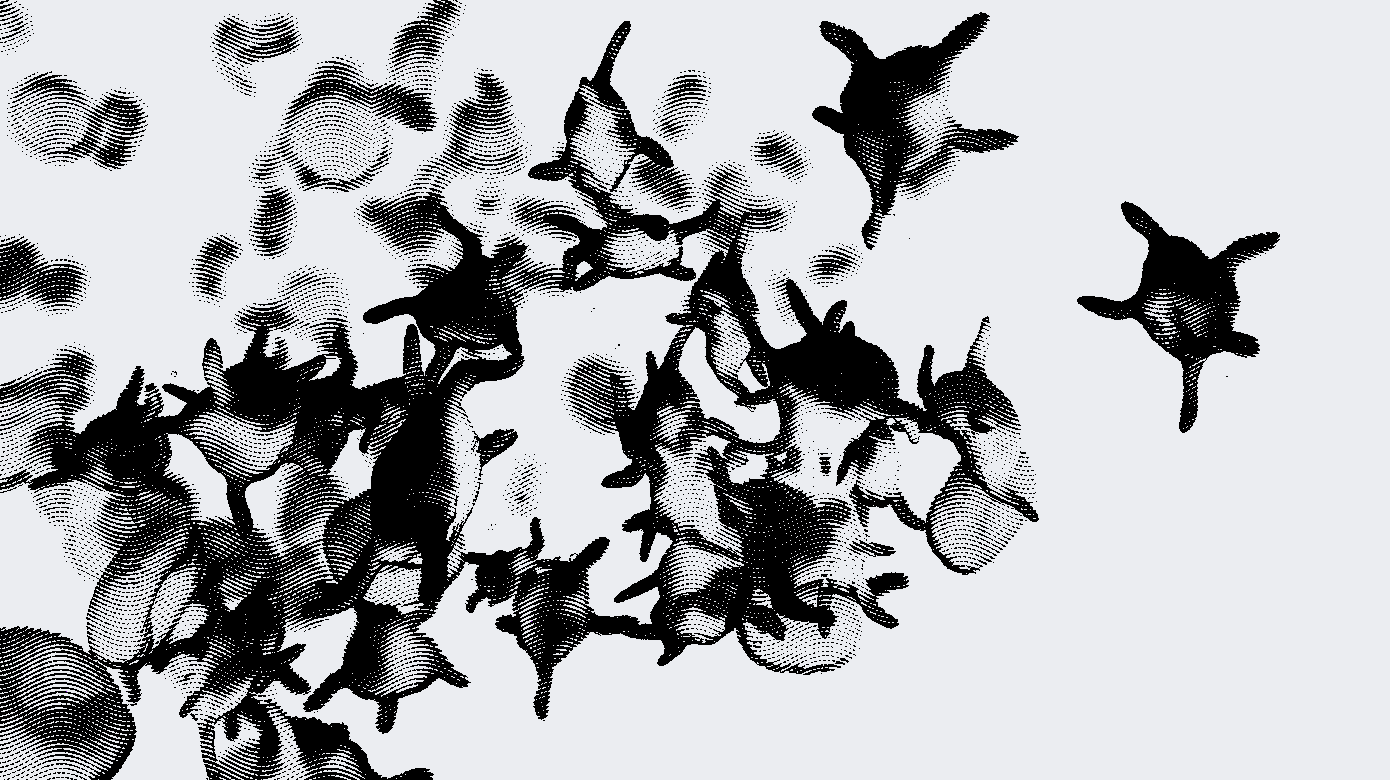
In the 1950s, vWD was shown to result from a deficiency of a plasma component that could be corrected by infusion of a specific plasma fraction [4]. Subsequent purification and characterisation identified the responsible protein, von Willebrand factor (vWF; Figure 1), as a multimeric glycoprotein synthesised in endothelial cells and megakaryocytes [5, 6]. Through interaction with platelet glycoprotein Ib (GPIb), vWF mediates platelet adhesion and stabilises coagulation factor VIII (FVIII) in the circulation. Importantly, the largest vWF multimers were identified as the most haemostatically active. Following elucidation of the protein structure [7], cloning and sequencing of vWF cDNA in the 1980s culminated in full characterisation of the vWF gene, located on chromosome 12p13.3. The gene comprises 52 exons spanning approximately 178 kb [8]. This enabled the identification of pathogenic mutations, the establishment of DNA-based diagnostics and ultimately supported the development of recombinant vWF concentrates used in modern treatment.
Currently, vWD is classified into three main types with distinct biochemical and clinical characteristics. Type 1 reflects a partial quantitative deficiency of vWF levels due to reduced synthesis. Type 2 encompasses several qualitative variants defined by characteristic biochemical phenotypes and mutation-dependent functional defects. Type 3, the rarest and most severe form, results from a near-complete absence of vWF in circulation and consequently presents with a haemophilia A-like phenotype due to secondary factor-VIII deficiency [9]. Finally, a rare, acquired form of vWD may occur in association with various conditions, including lymphoproliferative and myeloproliferative disorders. It typically presents with mild to moderately severe mucocutaneous bleeding in individuals with no prior bleeding history [10].
Clinically, vWD is highly variable across disease types and between individuals. Typical manifestations include recurrent epistaxis, easy bruising, bleeding gums and prolonged bleeding following minor cuts, dental extractions or surgical procedures. Among women of reproductive age, heavy menstrual bleeding (menorrhagia) is among the most frequent and burdensome symptoms. Severe vWD is associated with muscle and joint bleeding and, in older patients, gastrointestinal haemorrhage [11]. Symptoms often present in childhood, but milder forms frequently remain undiagnosed until surgery, trauma or childbirth [11, 12].
The diagnosis of vWD relies on an integrated assessment of bleeding history, family history and laboratory findings. International guidelines recommend the validated bleeding assessment tool, the International Society on Thrombosis and Haemostasis Bleeding Assessment Tool (ISTH-BAT), as first-line screening to standardise bleeding history and improve reproducibility. [13, 14]. Reference ranges have been established [15] with age- and sex-specific cut-off values [16], but diagnostic performance is limited in patients without prior haemostatic challenges and in those with mild but recurrent bleeding [17].
Laboratory confirmation and classification of vWD requires both quantitative and functional assessment of vWF, as well as evaluation of its interaction with FVIII and platelets. First-line testing includes measurement of vWF antigen (vWF:Ag), platelet-binding activity (vWF:Act) and FVIII activity (FVIII:C). The traditional ristocetin cofactor assay (vWF:RCo) has largely been replaced by the newer vWF:GPIbM and vWF:GPIbR assays owing to their high precision, reproducibility and insensitivity to common vWF polymorphisms [13, 18].
In type 1 vWD, the vWF concentration and activity are proportionally reduced with only mild or no FVIII reduction. Type 2 is characterised by a disproportionate reduction in vWF, with an activity-to-antigen ratio < 0.7, and type 3 shows near-complete vWF deficiency with secondary FVIII deficiency [11, 13].
According to international guidelines, a diagnosis of vWD is made when vWF is < 0.30 IU/ml, regardless of bleeding, or 0.30-0.50 IU/ml with significant bleeding. However, local reference intervals exist as laboratory assays may vary slightly [13].
The Nordic working group on vWD, commissioned by the Nordic Haemophilia Council (NHC), has published a Nordic perspective on its diagnosis [19]. This guideline deviates from the international guidelines and recommends a different limit (< 0.35 IU/ml) for vWF activity for a definite vWD diagnosis. The NHC guidelines also differ in the clinical assessment using ISTH-BAT, which it recommends should be done by a clinician with special expertise in coagulation disorders, as primary care personnel lack the necessary training (see the Nordic Haemophilia Council Haemophilia Guidelines) [20].
As vWF is an acute-phase reactant and influenced by inflammation, trauma and stress [11, 13], testing should be repeated under stable conditions to avoid falsely elevated results. Importantly, due to interindividual and hormonal variation, vWF levels > 0.50 IU/ml do not necessarily exclude mild vWD in patients with relevant bleeding symptoms. Thus, repeat testing should be considered in such cases. In addition, several studies have demonstrated lower vWF levels in individuals with blood group O independent of pathogenic variation in the vWF gene [21, 22], which may increase the likelihood of a vWD diagnosis. Thus, laboratory results must be interpreted in a clinical and biological context, and repeated testing may be necessary before reaching a final diagnosis.
Subclassification is achieved by multimer analysis to detect loss of high-molecular-weight multimers (type 2A/2B), collagen-binding assays (vWF:CB/vWF:Ag) to help distinguish type 2M from 2A/2B and ristocetin-induced platelet agglutination (RIPA) to identify increased vWF-GPIb affinity in type 2B and platelet-type vWD. FVIII-binding assays (vWF:FVIII) are essential for diagnosing type 2N, which mimics mild haemophilia A due to impaired FVIII binding [13].
Genetic testing can aid the diagnosis by confirming vWD, distinguishing it from related disorders (e.g. mild haemophilia A or acquired vWD) and refining phenotypic and pathophysiological classification [13].
Despite being one of the best-characterised inherited bleeding disorders, vWD remains substantially underdiagnosed. A notable discrepancy exists between our understanding of its biology and its recognition in everyday clinical practice, driven in part by wide variation in symptom severity and subjective decisions about when to pursue diagnostic evaluation [12]. As a result, the true prevalence is difficult to estimate. Globally, referral-based studies report prevalences ranging 2.3-11.3 per 100,000 inhabitants [23-25]. In the Nordic countries, vWD prevalence has been estimated at approximately eight per 100,000 in 2003-2004 [23]. In contrast, population-based studies consistently indicate a considerably higher prevalence. In an Italian cohort of 1,218 healthy schoolchildren aged 11-14 years, the prevalence of “probable vWD”, defined by reduced vWF and a positive family history, was 0.82% [21]. Similarly, an American study of 600 children aged 2-18 years reported a prevalence of 1.3% when restrictive criteria requiring bleeding symptoms, reduced vWF activity and family history were applied [22]. In contrast, a Canadian paediatric primary care cohort of 4,592 children reported a prevalence of symptomatic vWD of approximately 0.1% [26].
A third approach to estimate vWD prevalence uses population genetics. Among 141,456 individuals, type 1 vWD was estimated at 7.4%, type 2 at 1.2% and type 3 at 0.07% [27]. While these data highlight likely underdiagnosis, many vWF variants exhibit reduced penetrance or cause only mild symptoms, which limits the use of genetic data for estimating clinically relevant prevalence [27, 28].
Overall, the prevalence of vWD is estimated at approximately 1% [29]. In the Danish population of around 6 million [30], this would correspond to approximately 60,000 individuals. However, a Danish registry study from 2021 [31] identified only 1,035 patients with vWD, indicating that many affected individuals remain undiagnosed with varying degrees of bleeding tendency.
Sex differences in prevalence and diagnosis
Women are generally more likely to experience symptoms from mild vWD, partly due to menstrual bleeding and bleeding related to pregnancy and childbirth. It is, therefore, unsurprising that international bleeding centres report a predominance of women among patients with vWD [25]. In Denmark, 70% of registered patients with vWD in 2021 were women [31]. Similar distributions were reported in an American cohort of 24,238 specialist-treated patients (65% women) [24] and in a Dutch cohort of 1,092 patients with coagulation disorders (61% women) [32]. Among patients with type 1 vWD, nearly three times as many women as men are diagnosed [24, 33]. In contrast, no sex difference is observed in the prevalence of types 2 and 3 [24, 33], supporting the notion that the observed sex difference is largely driven by type 1 vWD. Age at diagnosis is also important, as more severe symptoms generally lead to an earlier diagnosis. Thus, the marked over-representation of women with type 1 contributes to a higher median age at diagnosis among women. In Danish data, the median age at diagnosis is 35 years for women compared with 24 years for men [31].
Women consistently experience longer diagnostic delay than men, defined as the interval from first bleeding symptom to a final vWD diagnosis [24, 32, 34, 35]. In a Dutch cohort of 1,092 patients, age at first bleeding symptom was similar in both sexes. However, women were diagnosed considerably later than men (22.5 versus 16.6 years), resulting in a longer diagnostic delay (11.6 versus 7.7 years, p = 0.002) [32]. Other studies reported diagnostic delays in women ranging 4-14 years [36, 37]. Half of the men from the Dutch cohort were diagnosed within two years of symptom onset, whereas this milestone was reached only after 14 years for women. Notably, this difference was also observed among patients with severe bleeding disorders, indicating that delayed diagnosis in women cannot be explained solely by the higher prevalence of mild type 1 disease [32].
A key population in which to identify undiagnosed vWD is women with menorrhagia. Menorrhagia is one of the most common manifestations of vWD in women, affecting 60–95% of women with the condition [29, 38-40], compared with 14-61% in the general population [29]. Studies including between 19 and 232 women with menorrhagia have reported vWD prevalences ranging 5-20% [41-49]. A systematic review incorporating many of these studies calculated an overall vWD prevalence of 13% among women with menorrhagia [50]. It should be noted, however, that menorrhagia is difficult to define objectively, as subjective assessment of blood loss is often imprecise [29]. Collectively, these data suggest that a substantial proportion of women with menorrhagia may have unrecognised vWD. Therefore, this group represents a key target population for efforts to reduce underdiagnosis, shorten diagnostic delay and ensure earlier intervention for women who may have experienced clinically significant bleeding for many years without proper evaluation. This underscores the need for greater clinical awareness and more systematic assessment of bleeding in the evaluation of menstrual disorders.
A key challenge will be to improve the recognition and interpretation of an “abnormal” bleeding. Figure 2 highlights points in the diagnostic pathway of vWD where recognition and referral can fail. Perceptions of what constitutes “normal” bleeding vary widely across families and cultures. Combined with the highly variable symptom burden of vWD, atypical bleeding patterns may appear unremarkable, particularly in individuals with mild to moderate disease who have never had a major bleeding episode. However, familial normalisation is only part of the problem; clinicians must also recognise that prolonged bleeding or easy bruising can indicate an underlying disorder to prompt referral for appropriate evaluation. A Danish study found that 11.5% of patients diagnosed with vWD had experienced at least one treatment-requiring bleeding episode in the five years prior to diagnosis. This suggests that vWD is not consistently considered after initial clinically significant bleeding episodes [31].
Diagnosis of vWD depends on both patient symptom perception and clinician recognition – a challenge common across many women’s health conditions. Logistical barriers add further delay: although initial screening analyses may be performed outside specialised centres, definitive diagnosis requires specialised biochemical testing, which is limited to fewer than 10 specialised centres in the Nordic region. These assays often demand expert interpretation, as false-positive and false-negative results occur. Nonetheless, a greater focus on vWD diagnostics could be achieved by improving clinicians’ awareness of simplified referral guidelines and by expanding the availability of initial biochemical screening methods. This, in turn, would require parallel strengthening of laboratory advisory services. However, these measures will be most effective once the societal burden of untreated vWD is better understood, making the identification of undiagnosed individuals a priority.
Correspondence Kathrine B. Faldborg. E-mail: kathrine.bohn.faldborg@regionh.dk
Accepted 15 April 2026
Published 29 April 2026
Conflicts of interest JPG reports financial support from or interest in Novo Nordisk. KBF reports financial support from or interest in the Helga og Peter Kornings Fond and the Familien Hede Nielsens Fond. All authors have submitted the ICMJE Form for Disclosure of Potential Conflicts of Interest. These are available together with the article at ugeskriftet.dk/dmj
References can be found with the article at ugeskriftet.dkdmj
Cite this as Dan Med J 2026;73(6):A02260121
doi 10.61409/A02260121
Open Access under Creative Commons License CC BY-NC-ND 4.0
The most common inherited bleeding disorder, von Willebrand disease (vWD), has been known for 100 years. Still, it is believed that many patients with mild disease remain undiagnosed. Detection of the condition relies on structured bleeding and family history, as well as laboratory evaluation. The variable presentation of vWD challenges both patients and clinicians, and women are particularly prone to diagnostic delay despite greater exposure to bleeding symptoms. Increasing clinical awareness and earlier identification of undiagnosed individuals should be prioritised.